
Author: Paul Bootsma- Policy Advisor for CFFO
“It's all too common to hear misconceptions, such as the notion that food comes solely from grocery stores, rather than farms.”
Local Food Week In Ontario
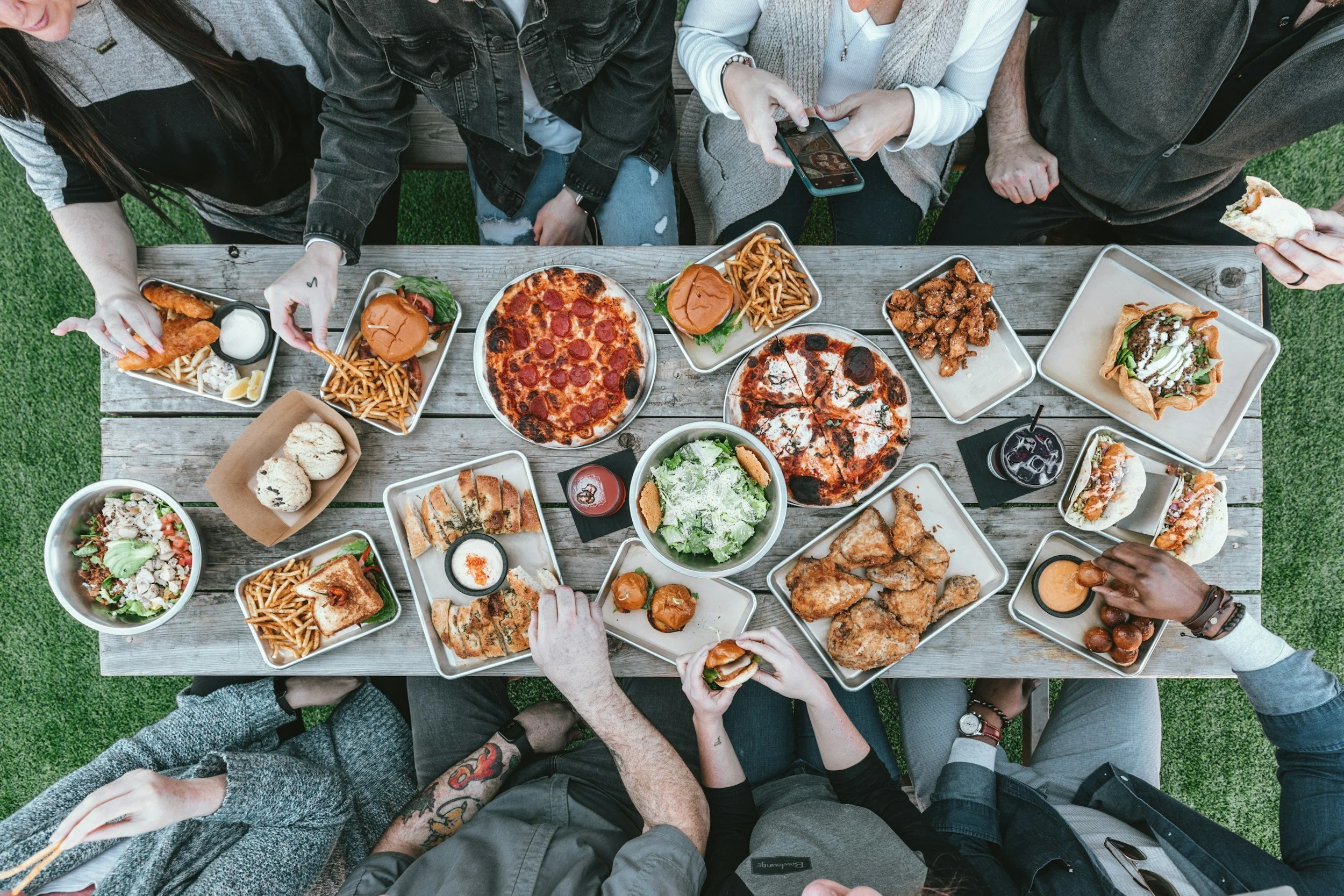
Setting a week aside once a year to celebrate local food brings positive awareness for the agri-food industry. Recognizing the hard work of farmers in all sectors of the industry is important and shows appreciation for what they do every day for our well-being.
Over the past year, discussions within the CFFO have focused on the vital connection between agriculture and the food industry, encompassing processing, value-added, transportation, and subsequent wholesale and retail stages, ultimately reaching the consumer. This reinforces the concept of ‘farmgate to dinnerplate.’ It is essential that all these components collaborate effectively to ensure the provision of nutritious food for the populations of Ontario, Canada, and beyond. CFFO utilizes this framework as we acknowledge that the agri-food sector has emerged as the largest job creator in the Ontario economy, contributing an impressive $52 billion annually. CFFO remains optimistic about the future of this industry.
During a conference in Ottawa that representatives from CFFO attended, the Federal Government has indicated that there will be a revised national food strategy coming soon.
A national food strategy is a comprehensive government framework designed to coordinate agricultural, economic, health, and environmental policies into a unified vision for a country's food system. It typically addresses food security, supply chain resilience, and public health by aligning actions across all levels of government.
Core Pillars of a National Food Strategy
A cohesive strategy aims to balance several competing priorities:
Food Security: Ensuring citizens have consistent access to affordable, safe, and nutritious food.
Agricultural Support: Boosting domestic production, lowering costs for farmers, and encouraging sustainable environmental practices.
Supply Chain Resilience: Strengthening infrastructure to prevent disruptions caused by climate change or global trade issues.
Health and Nutrition: Reducing diet-related chronic diseases and establishing programs (such as school meal programs) that guarantee children are fed. Source: Agriculture and Agri-Food Canada (AAFC).
Over the past year, the terms "food security" and "food sovereignty" have become increasingly prominent in our discussions. These concepts vary in definition depending on the perspectives of those involved. Farmers, in particular, seem to have diverse opinions on these matters. During the recent conference, the importance of incorporating nutrition and ingredient considerations into the food security framework was highlighted. Food security should evaluate whether the food accessible in Ontario/Canada provides sufficient nutrients for all citizens to maintain optimal health consistently. This implies that not all foods commonly consumed are always essential; rather, nutritional adequacy can be achieved through various alternative sources.
The shifting climate is opening up fresh opportunities for Canada to cultivate a wider variety of foods for international markets. As Canada's demographics evolve, so too does our food culture, leading to a growing interest in items like legumes and pulses. This shift presents an exciting opportunity for local production.
Promoting local agriculture is essential, and we must encourage consumers to learn more about how their food is sourced. The CFFO should play a key role in educating the public and strengthening their connection to farming. It's all too common to hear misconceptions, such as the notion that food comes solely from grocery stores, rather than farms.
A recent article on LinkedIn highlights the disconnect many consumers have regarding agriculture and food production. Comments overheard in grocery store lines, suggesting that farmers must be profiting from rising grocery prices, should raise alarms among producers. Steph Towers https://www.linkedin.com/feed/update/urn:li:activity:7464704669051670529/
Local Food Week is a great opportunity for this discussion on connecting the farmgate and dinnerplate, but it needs to extend into the remainder of the year as well. Let’s keep the discussion going.
Happy Eating Local.
Paul Bootsma - Policy Advisor for CFFO Long-Term Thinking for Today’s Issues
The CFFO Commentary represents the opinions of the writer and does not necessarily represent CFFO policy.