
A Bayer Class Action
Author: Paul Bootsma- Policy Advisor for CFFO
“Both crop producers and herbicide manufacturers must draw lessons from this experience. Overuse carries consequences, but so does failing to address public concerns when they arise.”
The Bayer Class Settlement
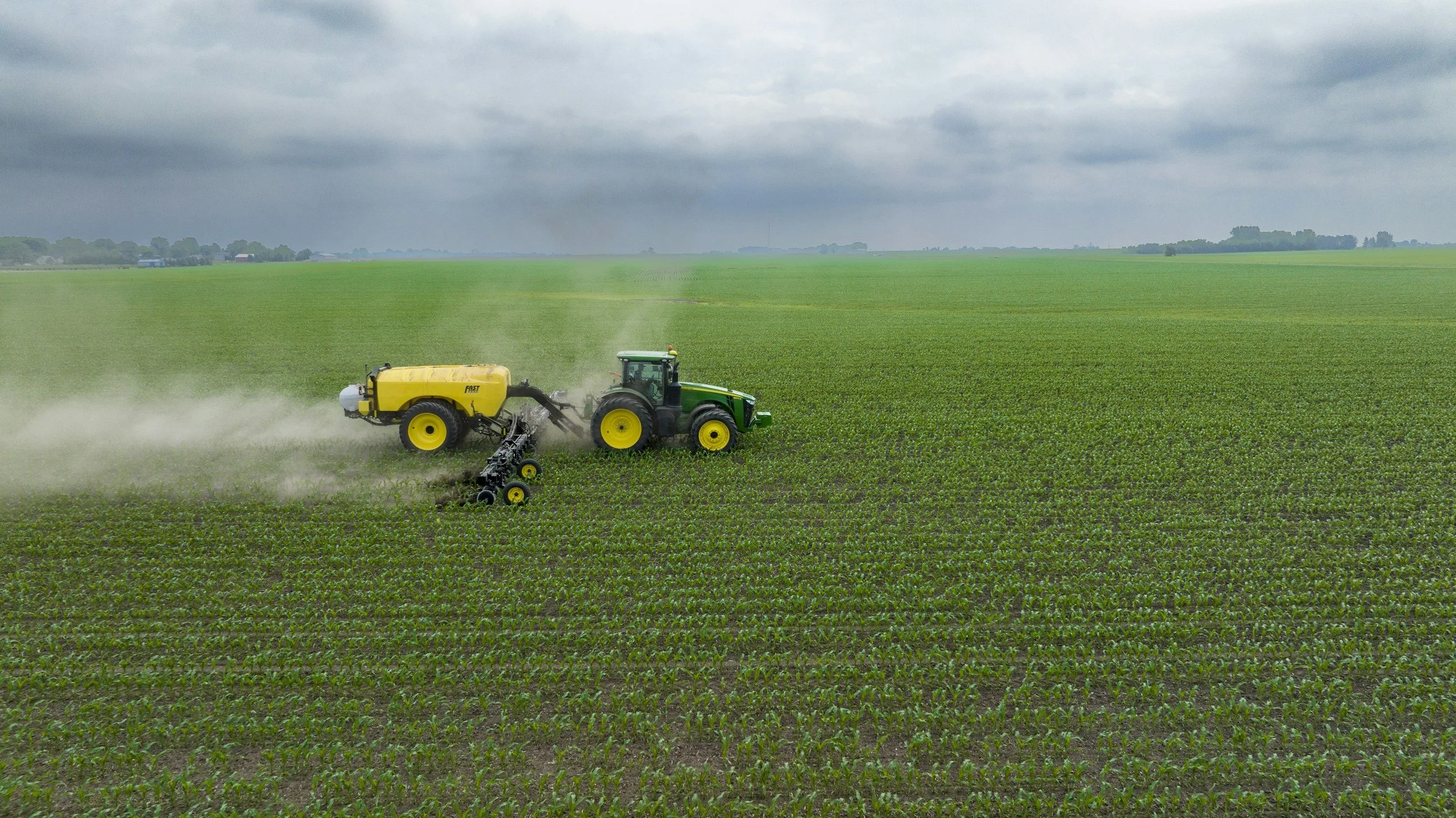
Agriculture, particularly crop production has benefited significantly from the use of glyphosate‑based herbicides such as Roundup. The adoption of no‑till farming practices, made more feasible through glyphosate use, has contributed to notable improvements in soil structure and overall soil health across the province. Compared with many other herbicides and pesticides used in crop production, Roundup has generally been regarded as a relatively safe product.
When considering the recent settlement involving Bayer Pharmaceuticals in the Durnell case, it is important to recognize the scale of the company itself. As a large global corporation, Bayer is financially capable of absorbing a settlement of this magnitude, whereas a smaller company might face insolvency under similar circumstances. Farmers will require legal protections to ensure they are not held personally liable for using a product that was approved for agricultural use. It is also noteworthy that the court did not issue a ruling on the question of human health impacts.
In March 2026, around the time of this settlement, the Trump administration introduced several consumer‑protection measures, including actions related to “Made in America” advertising claims, negative‑option marketing, rental housing fees, and alleged deceptive pricing practices by auto dealers. The administration also invoked the Defense Production Act to secure the supply of glyphosate‑based herbicides, citing their importance to national security. As a result, despite the settlement, Bayer may continue producing glyphosate under federal protection.
Decades of experience with Roundup and Roundup‑tolerant crops have demonstrated that overreliance on a single herbicide ultimately leads to diminishing effectiveness. The growing list of glyphosate‑resistant weed species illustrates the long‑term consequences of a mono‑herbicide management strategy.
This serves as a reminder that the natural world created and sustained by God ultimately operates beyond human control. The resilience and adaptability of nature underscore the remarkable complexity of creation, which we witness daily and throughout the agricultural cycle.
Originally, Roundup was used primarily as a burn‑down product, applied across entire fields to eliminate existing vegetation prior to planting. This practice supported the use of cover crops, which helped maintain soil structure and prevent erosion. However, with the introduction of Roundup Ready crops, glyphosate use expanded dramatically, and many producers began applying it across most of their acreage. This widespread use accelerated the development of resistant weed populations. Consequently, a product that has been highly effective for crop production has also become a source of agronomic vulnerability.
As the implications of the recent settlement unfold, an abrupt discontinuation of glyphosate use would be detrimental to Ontario farmers. As new products with comparable efficacy become available, it will be important for government regulators to implement any restrictions gradually, ensuring producers retain viable weed‑management options. Some older herbicides pose risks to human health equal to or greater than those attributed to glyphosate.
Both crop producers and herbicide manufacturers must draw lessons from this experience. Overuse carries consequences, but so does failing to address public concerns when they arise. Public opinion whether accurate or not plays a significant role and attempts to dismiss or ignore it can lead to further resistance. Roundup has been a valuable tool in modern agriculture, yet this situation illustrates that even highly effective products can create challenges when relied upon too heavily.
Long-Term Thinking for Today’s Issues
Paul Bootsma
Policy Advisor for CFFO
The CFFO Commentary represents the opinions of the writer and does not necessarily represent CFFO policy.